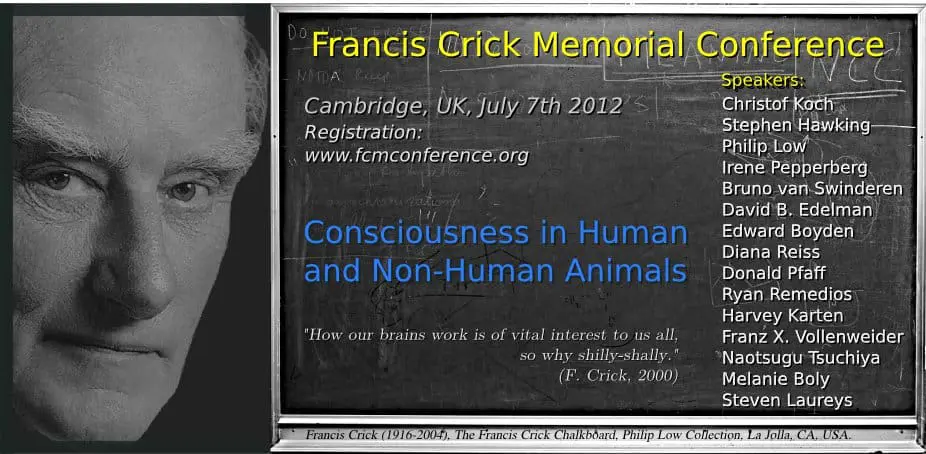
“The Cambridge Declaration on Consciousness”
This declaration states: “The absence of a neocortex does not appear to preclude an organism from experiencing affective states. Convergent evidence indicates that non-human animals have the neuroanatomical, neurochemical, and neurophysiological substrates of conscious states along with the capacity to exhibit intentional behaviors. Consequently, the weight of evidence indicates that humans are not unique in possessing the neurological substrates that generate consciousness. Non-human animals, including all mammals and birds, and many other creatures, including octopuses, also possess these neurological substrates.”
“The New York Declaration on Animal Consciousness”
The New York Declaration on Animal Consciousness gathers leading scientists to affirm the growing evidence for animal consciousness and encourage rigorous research in the field. Its goals are to promote scientific progress on consciousness, inspire broader engagement, and urge policymakers to consider animal welfare even without full certainty. The declaration emphasizes that a realistic possibility of consciousness, such as in octopuses or bees, warrants serious ethical and policy consideration. While it makes no specific policy recommendations, it calls for proactive steps to reduce welfare risks for vertebrates and many invertebrates as research continues to evolve.

“The Origin, Differentiation and Role of Rights”
In this statement, Thomas Berry argues that humans must shift from viewing the Earth as property to recognizing it as a rights-bearing community. He asserts that legal systems should acknowledge the intrinsic rights of nature to exist, thrive, and evolve. This shift in values is necessary in order to create a foundation for ecological law rooted in mutual respect and planetary well-being. This is a 2001 version of Thomas Berry’s Ten Principles of Earth Jurisprudence. For the published version please see here.

Declaration from Wild Law: Australia’s First Conference on Earth Jurisprudence
This declaration asserts that the perceived separation between nature and humans is a root cause of the environmental crisis, and calls for law to recognize the broader Earth community and its inherent rights. It argues that the current legal system, which treats nature as property and restricts rights to human subjects, is failing to protect the natural world. It calls for a transition in law from an exclusive focus on human beings to a recognition of their existence as part of a larger Earth community.

Declaration of Rights for Cetaceans: Whales and Dolphins
In 2010, the Declaration for the Rights for Cetaceans, campaigned by a group of scientists and ethicists working through the NGO Cetacean Rights, was presented at a conference in Helsinki, Finland. The declaration gives cetaceans, specifically dolphins and whales, the right to life and legal personhood. The declaration is a push for cetaceans to be protected under international law. If done so, the declaration would give dolphins and whales legal protections from hunters, marine parks, aquariums, etc. No such declaration has been incorporated into international law.

Earth Charter
The Earth Charter is an international declaration of fundamental values and principles considered useful by its supporters for building a just, sustainable, and peaceful global society in the 21st century.

Earth Jurisprudence Inputs
This resource page compiles expert contributions on Earth Jurisprudence submitted to the UN Harmony with Nature initiative since 2016. Experts from law, economics, science, education, arts, and spirituality present insights that transform human governance, align with ecological integrity, recognize nature’s rights, and frame Earth as a living community rather than a collection of resources.
Protocol on Environmental Protection to the Antarctic Treaty (Madrid Protocol)
The Environmental Protection Protocol to the Antarctic Treaty, signed in 1991 and entered into force in 1998, sets out strong rules to safeguard Antarctica’s fragile environment. It requires countries to assess the impact of any planned activity, protect native plants and animals, manage waste responsibly, and prevent ocean pollution. It also creates special protected areas and holds polluters accountable for any environmental harm. These measures help ensure Antarctica remains clean, wild, and peaceful for future generations.

Protocol on Protection and Welfare of Animals
This protocol annexed to the 1997 Treaty of Amsterdam recognizes that animals are “sentient beings” and encourages EU member states to “pay full regard to the welfare requirements of animals.”
Resolution 3: Advancing the Rights of Antarctica – WILD12 Resolution
A resolution from WILD Foundation’s 12th World Wilderness Congress (August 29–30, 2024), urging global recognition of Antarctica as an autonomous entity with inherent rights. It highlights urgent threats (record ice melt, rising temperatures, industrial pressures) and calls for a global alliance and legal reforms so decisions affecting Antarctica prioritize its own ecological needs. The resolution builds on past WILD congress initiatives and is backed by a diverse group of Indigenous leaders, environmental scientists, and legal experts
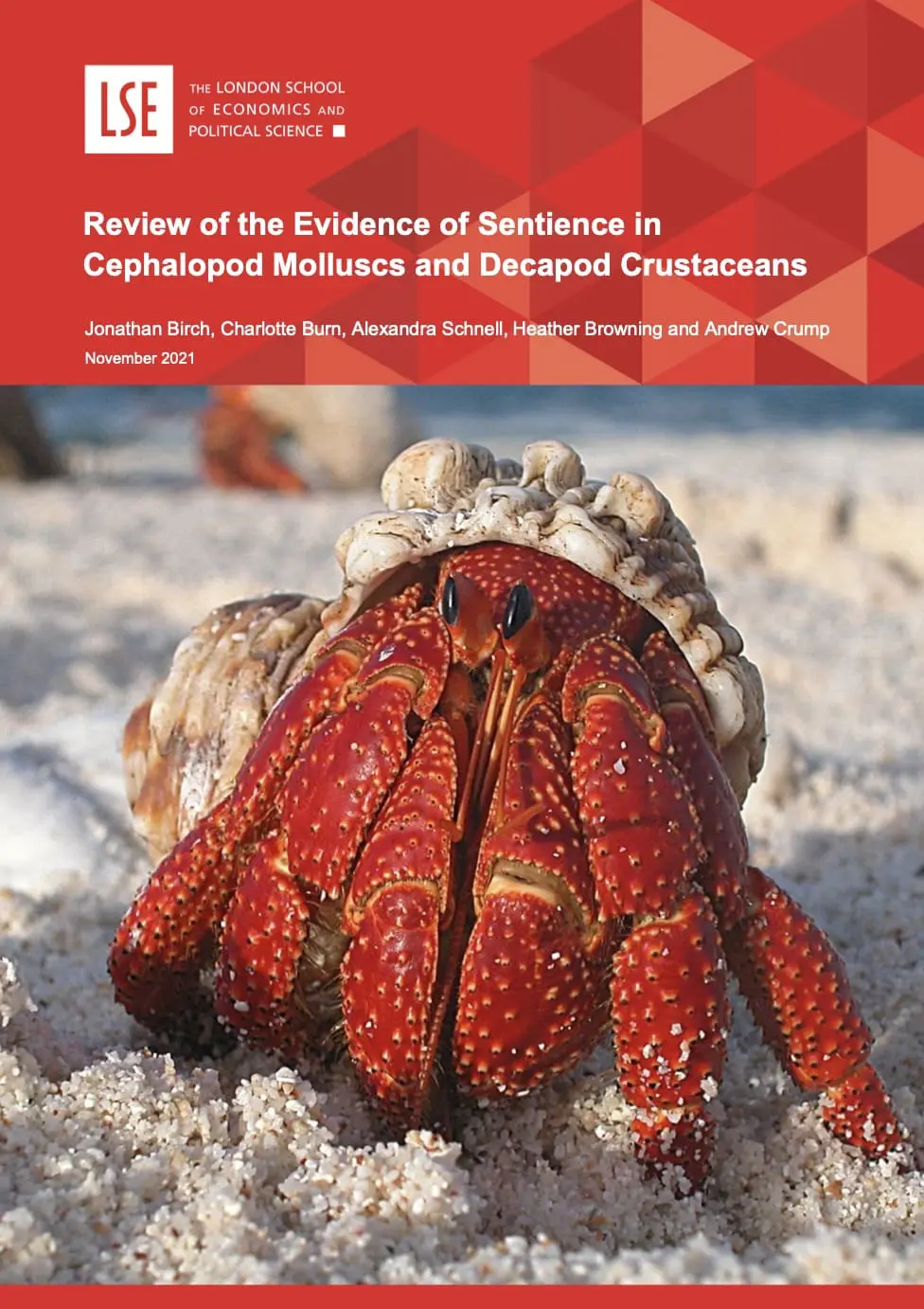
Review of the Evidence of Sentience in Cephalopod Molluscs and Decapod Crustaceans
Birch and colleagues have developed an important and useful framework for evaluating the evidence for sentience–namely, the capacity to experience pain, distress and suffering, in cephalopod molluscs (cuttlefish, octopods and squid) and decapod crustaceans (including crabs, crayfish, lobsters, prawns, shrimps). Birch and colleagues develop eight criteria in their evaluation framework which are used to weigh the evidence from over 300 scientific publications. The report also investigates the potential welfare implications of current commercial practices on these species. The report concludes that cephalopods and decapod crustaceans are probably sentient.
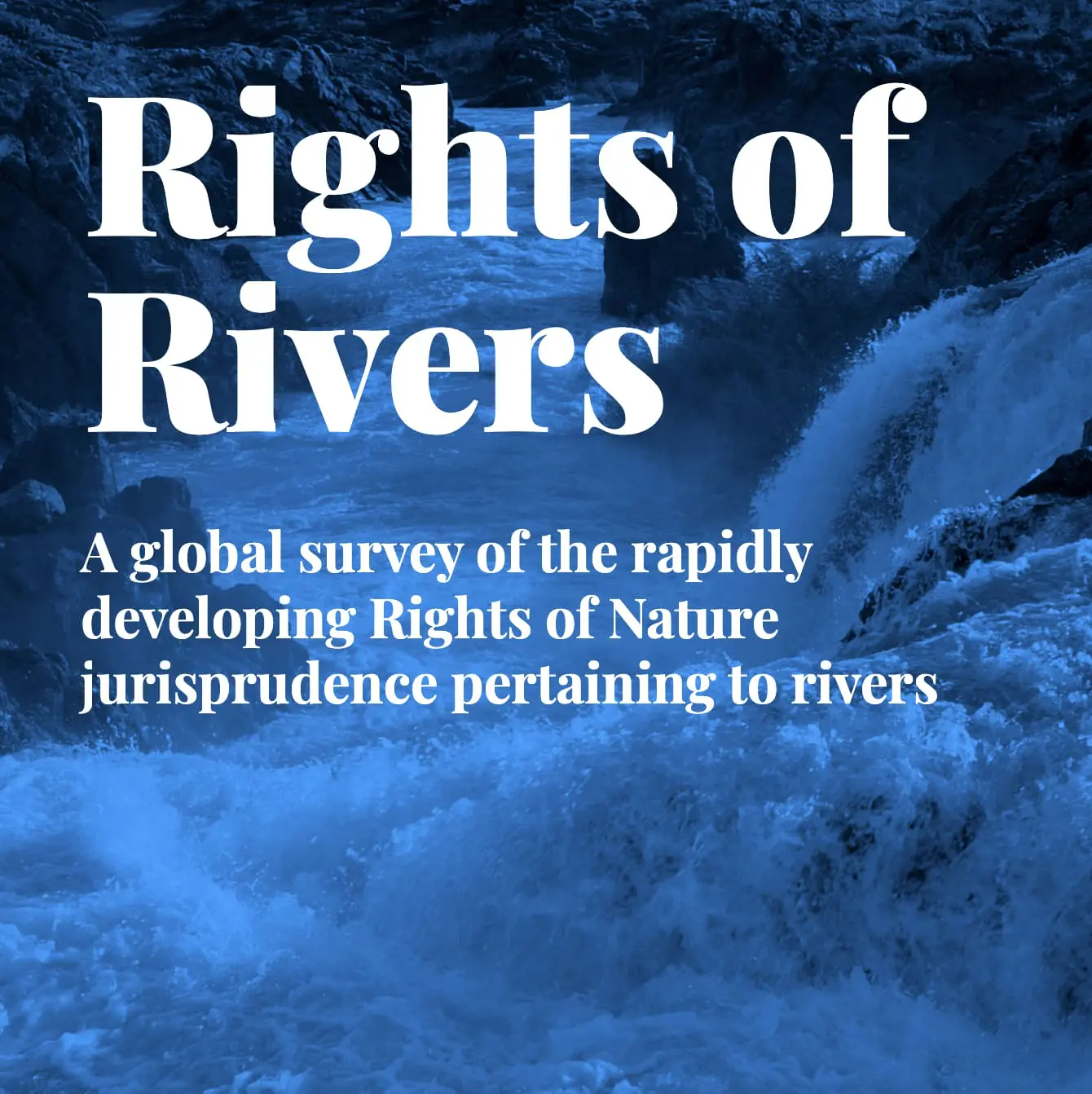
Rights of Rivers Report
This report, a collaboration of the Cyrus R. Vance Center for International Justice, Earth Law Center, and International Rivers, explores the global movement to recognize rivers as legal rights-bearing entities. It features legal cases, Indigenous leadership, and community efforts that advance river personhood. Through global case studies, it calls for legal reforms to protect rivers’ ecological and cultural integrity.

Unitive Narrative
A new paradigm, based on scientific breakthroughs, with evidence at all scales of existence and across numerous fields of research, is revealing a radically expanded perception of the world. It is converging with universal wisdom and spiritually-based teachings. In realizing the unified nature of reality, it calls for a collective evolutionary shift of consciousness and the emergence of an inclusive interspirituality which provides essential practices for awakening to this unitive consciousness. Central to its unitive narrative is the recognition of human interbeing; their interconnectedness, interdependence and belonging with the whole community of the planetary home, Gaia, and with the entire Universe.
Universal Declaration of the Rights of Rivers
The Universal Declaration on the Rights of Rivers calls for legal recognition of rivers as living entities with inherent rights. It affirms vital ecological, cultural, and spiritual roles of rivers; it highlights widespread harm from pollution, dams, and diversions; and it critiques inadequate legal protections. The Declaration draws on Indigenous traditions and global legal precedents to support a new paradigm of harmony with nature.
Photo Credit: Peacock butterfly; Uschi_Du/Pixabay