Microbiology: Journals & Articles
Further resources, if available, can be found in our full bibliography.

The ability to communicate and coordinate group behavior has been traditionally attributed only to the higher organisms. Microbes have been considered too simple to be capable of such complex social interactions. This view has changed with the discovery of cell-to-cell communication, called quorum sensing. By quorum sensing, bacteria coordinate their actions with other members of the microbial community. This allows them to complete tasks that would be otherwise hard or completely impossible to accomplish for a single bacterium. Quorum sensing is important for intra-species, inter-species as well as for inter-kingdom communication. Communication between pathogenic bacteria is important for establishing and maintaining an infection. Development of novel antimicrobial drugs blocking communication between microorganisms is therefore crucial for the ongoing fight against current and emerging pathogens.

"Cognition in Some Surprising Places"
Arthur S. Reber, František Baluška
The most widely accepted view in the biopsychological sciences is that the cognitive functions that are diagnostic of mental operations, sentience or, more commonly, consciousness emerged fairly late in evolution, most likely in the Cambrian period. The authors’ position dovetails with James’s below–subjectivity, feeling, consciousness has a much longer evolutionary history, one that goes back to the first appearance of life. The Cellular Basis of Consciousness (CBC) model is founded on the presumption that sentience and life are coterminous; that all organisms, based on inherent cellular activities via processes that take place in excitable membranes of their cells, are sentient, have subjective experiences and feelings. These, in turn, guide the context-relevant behaviors essential for their survival in often hostile environments in constant flux. The CBC framework is reductionistic, mechanistic, and calls for bottom-up research programs into the evolutionary origin of biological consciousness.

"Sentience and Consciousness in Single Cells: How the First Minds Emerged in Unicellular Species"
František Baluška, Arthur Reber
A reductionistic, bottom-up, cellular-based concept of the origins of sentience and consciousness has been put forward. Because all life is based on cells, any evolutionary theory of the emergence of sentience and consciousness must be grounded in mechanisms that take place in prokaryotes, the simplest unicellular species. It has been posited that subjective awareness is a fundamental property of cellular life. It emerges as an inherent feature of, and contemporaneously with, the very first life-forms. All other varieties of mentation are the result of evolutionary mechanisms based on this singular event. Therefore, all forms of sentience and consciousness evolve from this original instantiation in prokaryotes. It has also been identified that three cellular structures and mechanisms that likely play critical roles here are excitable membranes, oscillating cytoskeletal polymers, and structurally flexible proteins. Finally, basic biophysical principles are proposed to guide those processes that underlie the emergence of supracellular sentience from cellular sentience in multicellular organisms.
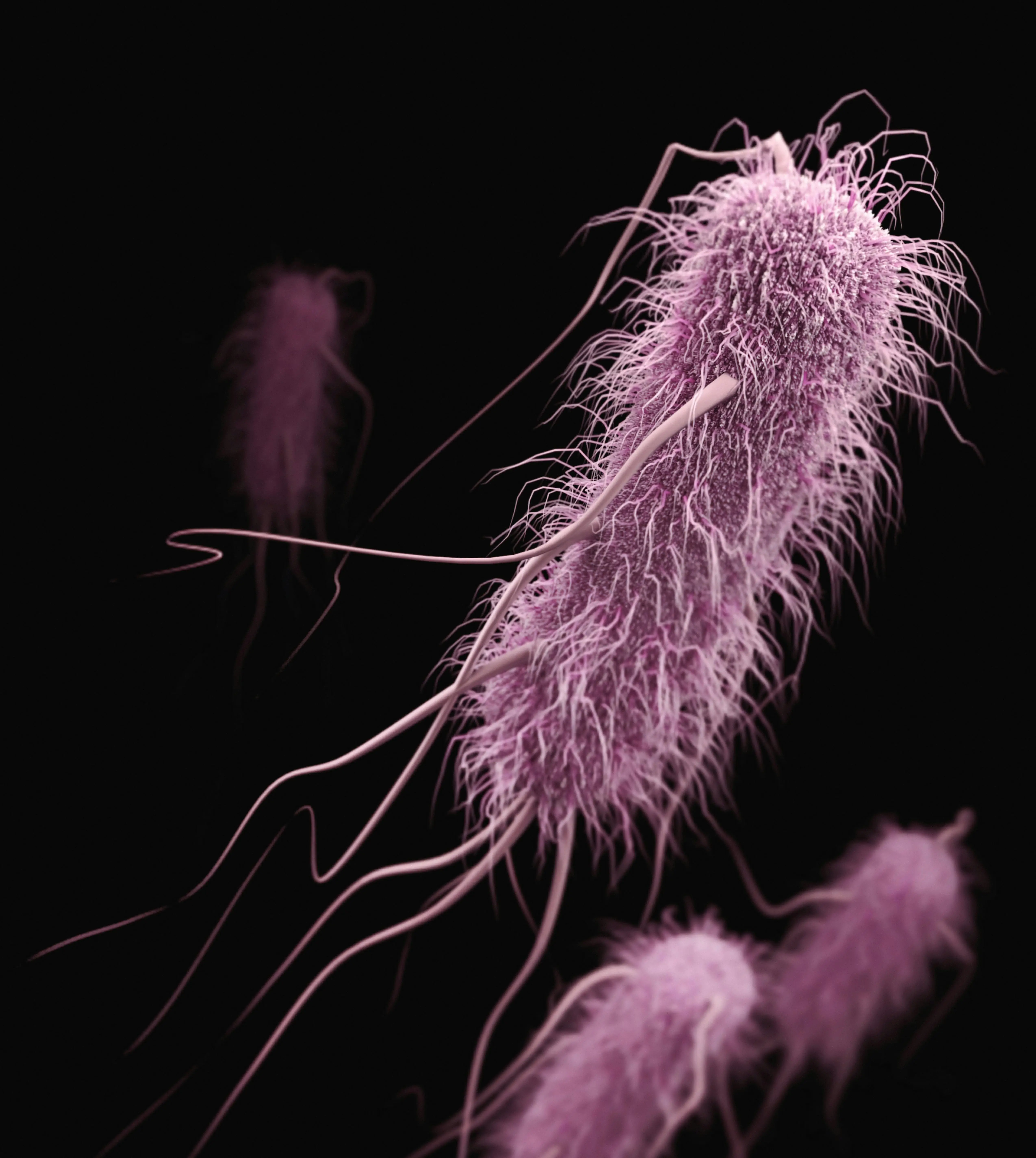
CU Boulder scientists have discovered that individual E. coli bacteria can sense their environment through electrical signals, similar to how humans perceive touch. When poked, the bacteria emit voltage-induced calcium ion signals, marking the first observation of electrical excitability in bacteria. This finding could advance research on bacteria and potentially aid drug development. The study reveals that bacteria use electrical signals to modify behavior, such as infecting cells more efficiently on stiff surfaces. Understanding this could help in developing drugs to block these signals, potentially reducing bacterial infections and combating antibiotic resistance. The research was published in PNAS.
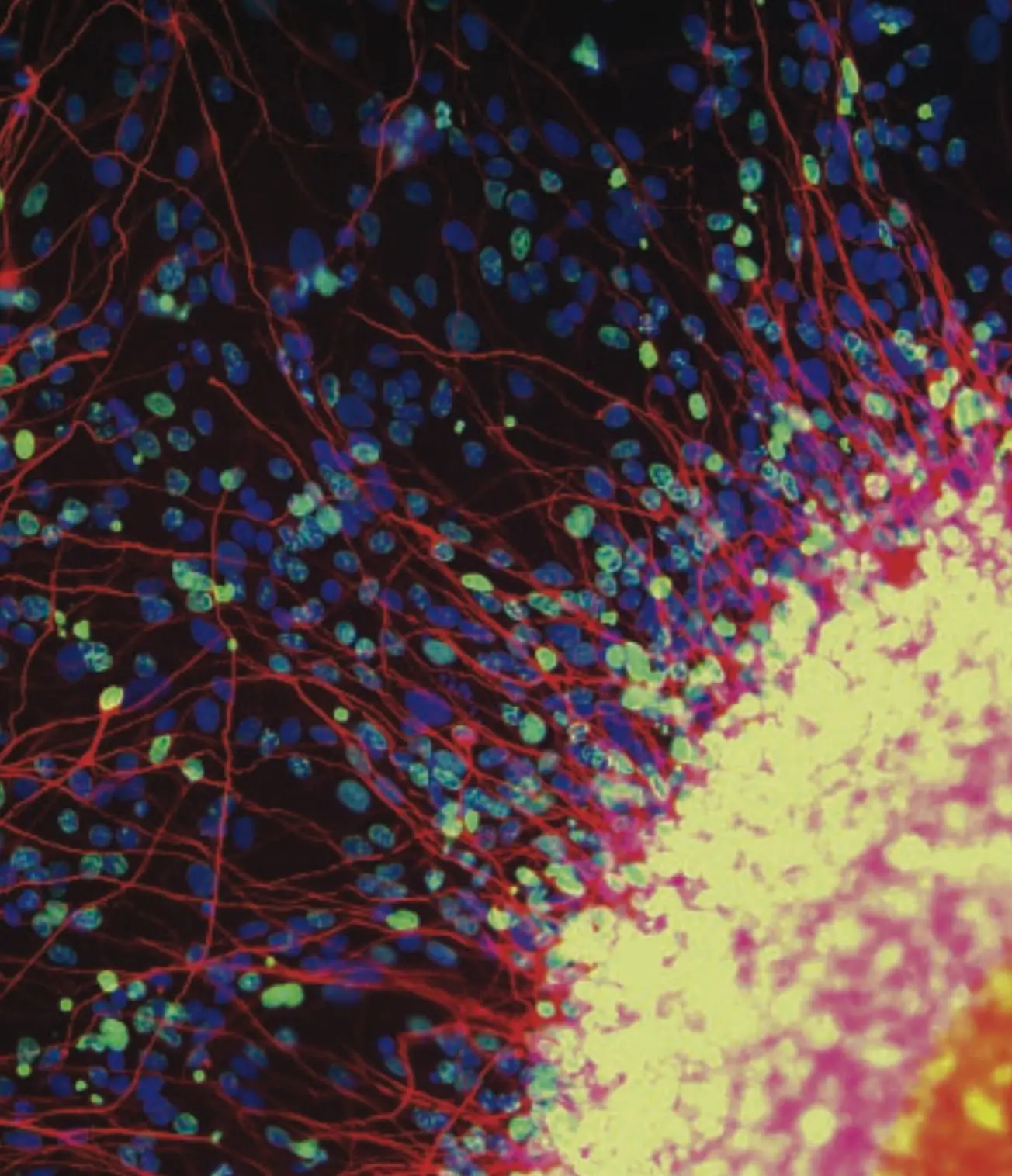
In this thought-provoking essay in New Scientist magazine, Brian J. Ford explores the roots of intelligence from the standpoints of single cells–from neurons that behave like tiny computers to amoeba that build complex shells. Ford describes cells as autonomous, sentient and ingenious and argues against reductionist thinking that dismisses cells as less intelligent than they truly are.

"On Intelligence in Cells: The Case for Whole Cell Biology"
Brian J. Ford
In this paper, Ford advocates for a revolution within the field of biology, arguing that scientists have lost sight of the whole cell as an organism. This paper models living cells within the body as essentially autonomous entities that make independent decisions and take actions in ways that correlate with the definitions of intelligence. Often people are taught that the brain controls everything that goes on in the body, yet in this paper, readers discover that most of the body’s cells are invisible to the brain and are indifferent to its regulation. Ford encounters a novel model of the brain in which the neuron is viewed as an ingenious entity that ‘thinks’ within itself. The brain is not a “super computer” but an entire community of them. He sets the reductionism of molecular biology and the elementary mechanisms of genetics into a more realistic perspective and recognize that the cell as an organism matters above all. In the future, whole cell biology may become the focus of the biosciences and the intelligent cell lies at its heart.
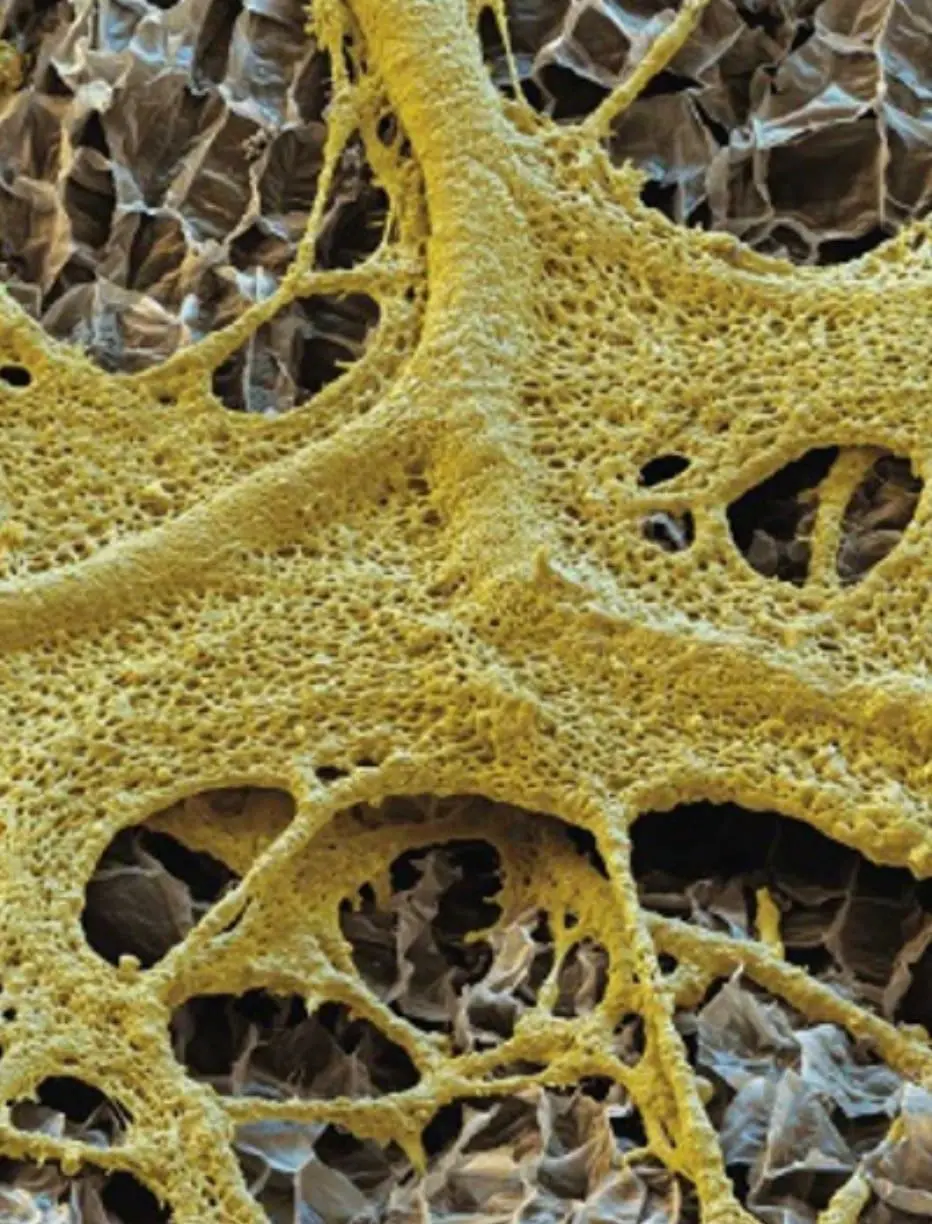
Researchers in Japan have discovered that slime molds, specifically Physarum polycephalum, can exhibit learning and memory, traits traditionally associated with brains. When subjected to repeated shocks at regular intervals, the slime mold learned the pattern and altered its behavior in anticipation of future shocks, even after a period of silence. This memory could persist for hours. The study suggests that slime molds use biochemical oscillators to process rhythmic patterns, enabling them to “learn” and retain memory. These findings hint at the cellular origins of primitive intelligence, expanding understanding of cellular memory and behavior in organisms without brains.
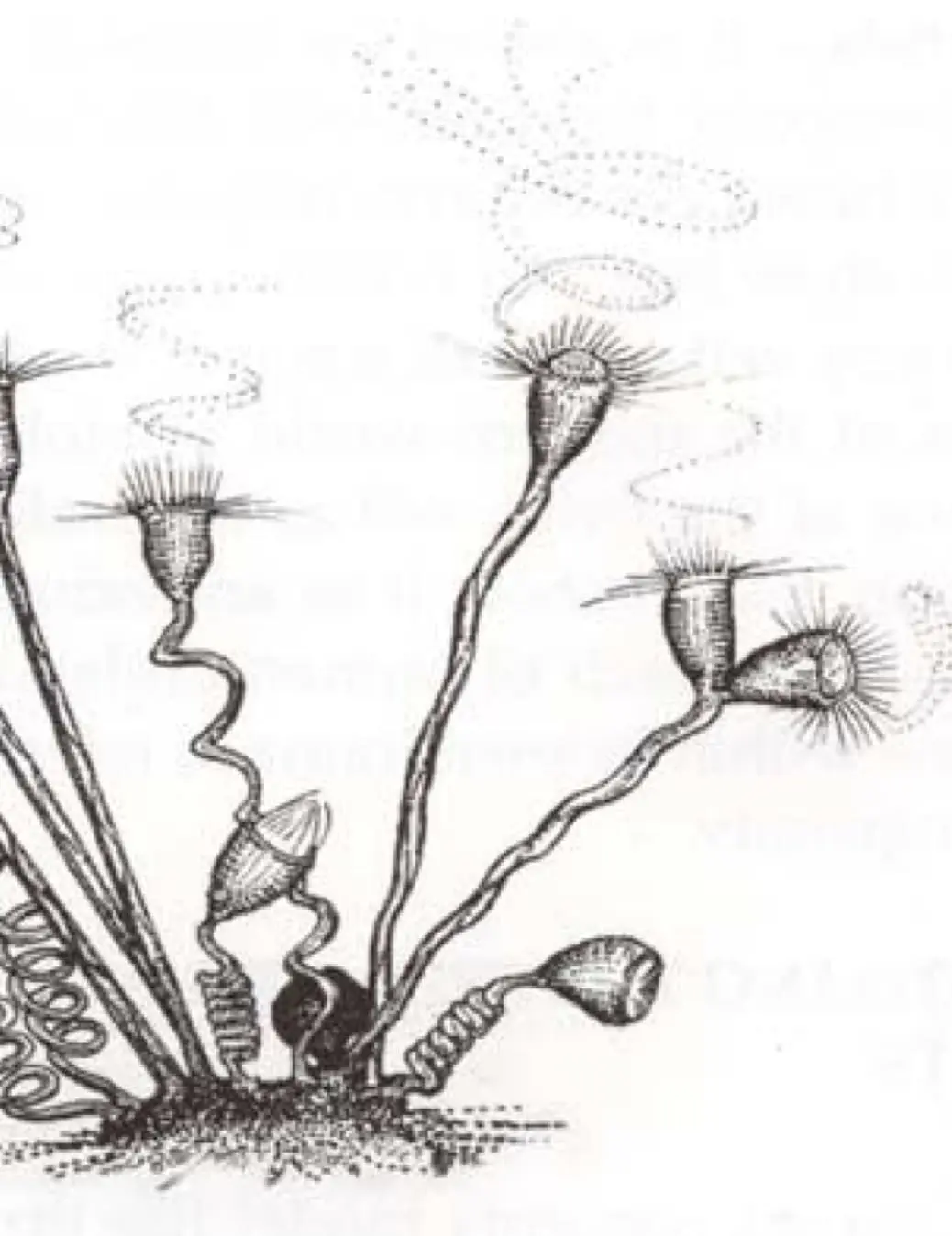
Modern models of life are based on molecular biology. This is a micromechanical view of nature, and–to scientists–it is almost the ultimate in reductionism. Microscopists, however, look differently at life. Researchers are aware how cells behave, respond, and react. Ford aims to show how one’s holistic sense of familiarity with the living cell can fault some of the most widespread views of the modern world of biology. Rather than looking at the living cell as a puzzle on the point of solution, Ford shows it as an enduring mystery still beyond the reach of human understanding, and capable–within its own frame of reference–of surprising ingenuity.
Photo Credit: Intestinal bacteria; nobeastsofierce/Shutterstock