Gaia Theory: Multimedia
Further resources, if available, can be found in our full bibliography.
 Regenerating Life" class="multimedia-img">
Regenerating Life
A three-part documentary, Regenerating Life takes an ecological approach to unpacking the social and environmental crises that confront us, shifting the prevailing climate change story, and offering new, attainable solutions.
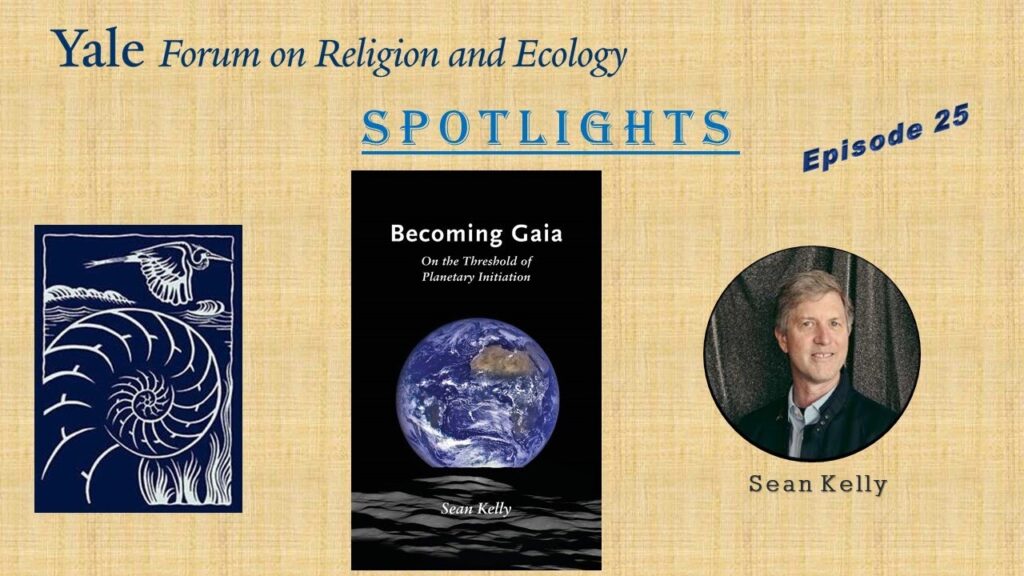
FORE Spotlights/Yale Forum on Religion and Ecology
Episode 1.25, Sean Kelly, California Institute of Integral Studies
This week’s episode of Spotlights features Sean Kelly, professor of Philosophy, Cosmology, and Consciousness at the California Institute of Integral Studies in San Francisco. He discusses his new book, Becoming Gaia: On the Threshold of Planetary Initiation (Integral Imprint, 2021). He describes the interlocking emergencies of climate change, mass extinction, and planetary apartheid in terms of a collective near-death experience (NDE). He and Sam Mickey talk about the ecological, philosophical, and spiritual implications of this critical moment in human and Earth evolution.
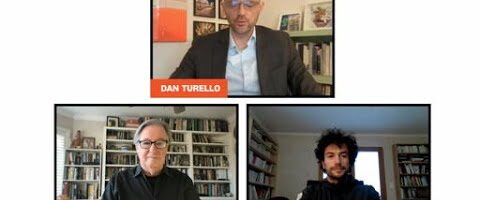
The Kluge Center/Library of Congress
“Writing Gaia: The Scientific Correspondence of James Lovelock and Lynn Margulis”
The Kluge Center’s Dan Turello interviews former Blumberg Chair Bruce (Bruno) Clarke and Clarke’s co-editor, Sébastien Dutreuil on their forthcoming book, Writing Gaia: The Scientific Correspondence of James Lovelock and Lynn Margulis. Clarke and Dutreuil provide historical background and explain the concepts and references introduced throughout the Lovelock-Margulis correspondence, while highlighting the major landmarks of their collaboration within the sequence of almost 300 letters written between 1970 and 2007.
 Symbiotic Earth: How Lynn Margulis Rocked the Boat and Started a Scientific Revolution" class="multimedia-img">
Symbiotic Earth: How Lynn Margulis Rocked the Boat and Started a Scientific Revolution
Symbiotic Earth is the story of a scientific rebel and model of female empowerment, Lynn Margulis, who fought the male establishment and, through her persistence, triumphed. As a young scientist in the 1960s, Margulis was ridiculed when she articulated a theory that symbiosis was a key driver of evolution. Instead of the mechanistic view that life evolved solely through random genetic mutations and competition, she presented a symbiotic narrative in which bacteria joined together to create the complex cells that formed animals, plants, and all other organisms. The idea that all of life is deeply interconnected and collaborative has radical implications for how humans look at ourselves, evolution, and the environment.

Tim Goodwin
“Gaia Hypothesis (Theory)”
This describes the basics of the Gaia Hypothesis (or theory). This video is a supplement to the book, Ecological Identity: Finding Your Place in a Biological World.
The Green Interview
“James Lovelock: Discovering Gaia”
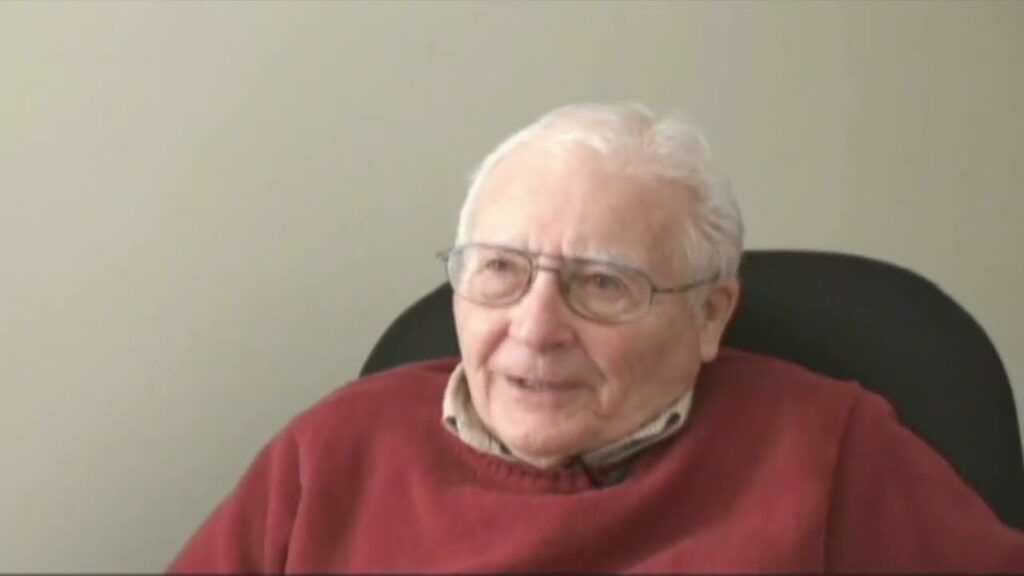
This episode of The Green Interview features James Lovelock, the creator of the Gaia hypothesis. Lovelock’s eclecticism and scientific independence for nearly five decades allowed him to follow the logic of his own thinking no matter how original and unorthodox its conclusions. In 1979 he published Gaia: A New Look at Life on Earth, which rattled the scientific world and electrified the rest of us by arguing that the Earth behaves like a single living organism that creates and maintains a viable environment for life. He has been described as “the most important figure in both the life sciences and the climate sciences for the past half-century,” and he has been listed among the world’s top 100 public intellectuals.

Stephan Harding, Per Espen Stoknes, Jon Robert Dohmen
“Dr. Stephan Harding – Gaia Theory & Deep Ecology”
In ten episodes, Harding leads viewers into a new understanding of our beloved mother Earth. Earth, or Gaia as he prefers to say, needs to be taken care of now.

Kensington Communications
“James Lovelock Explains Gaia Hypothesis on The Sacred Balance (TV)”
David Suzuki talks with James Lovelock about the origins of his “Gaia” hypothesis, which suggests that the Earth is one organism. From the documentary series, The Sacred Balance, produced by Kensington Communications.
Bullfrog Films
Gaia, the Living Planet: A Portrait of James E. Lovelock
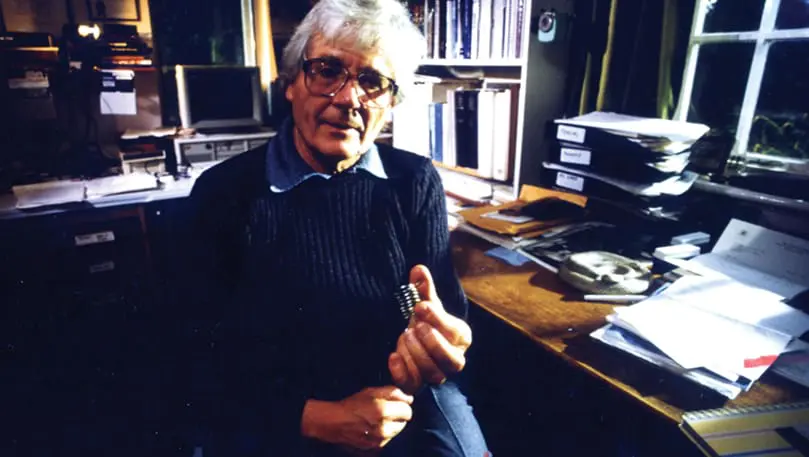
The Gaia Hypothesis is one of the most exciting new scientific theories to emerge in the 20th century. It’s the work of a British scientist, James Lovelock, who believes that the Earth is itself a living organism, and that life actively creates the environment it needs to survive, by maintaining environmental factors like temperature, humidity and atmosphere. His theory has been embraced by the environmental movement and has stirred up controversy in the scientific establishment. Lovelock lives in the hills of Devon in southwest England. He’s a biologist, doctor, chemist, cybernetician, inventor, and author of science fiction. In this video portrait, viewers meet the man at his home and workshop, and visit the Marine Biological Laboratory in Plymouth, which conducts marine research, that has produced some amazing results, apparently confirming major parts of the theory. The Gaia Hypothesis gives people a completely new view of the evolution of the Earth and may well be an incredibly productive tool for studying the complex ecological interrelationships that allow life to exist on the planet.
Gaian Systems
“Lynn Margulis presents the Gaia Hypothesis at NASA”
Professor Lynn Margulis of Boston University speaks before an audience of NASA employees in 1984 to explain the Gaia Hypothesis. This 30-minute video was produced by the Lewis Research Center as part of their NASA at Work series.
Photo Credit: mali maeder/Unsplash