
The Life Aquatic with Angela Manno
Author: Tyler Mark Nelson
Published: April 2, 2026
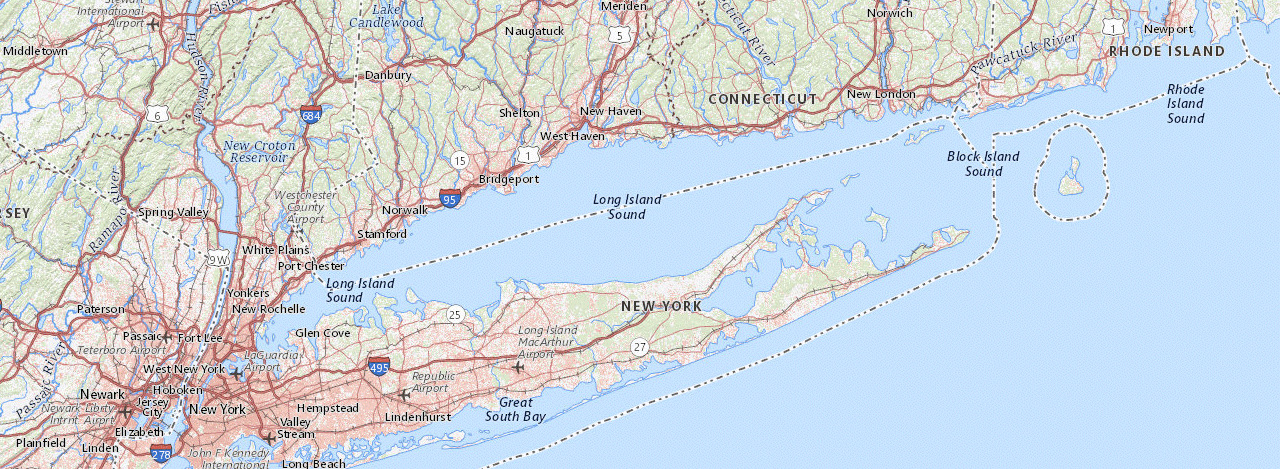
Beneath the surface of the Long Island Sound exists a marvelous community of life. The members of this aquatic community include crustaceans, fish, mollusks, corals, sponges, and diatoms, as well as numerous plant species. Yet the tremendous diversity of life in this saltwater sound and tidal estuary often goes unnoticed by the millions of humans who live along and near the shoreline—myself included.
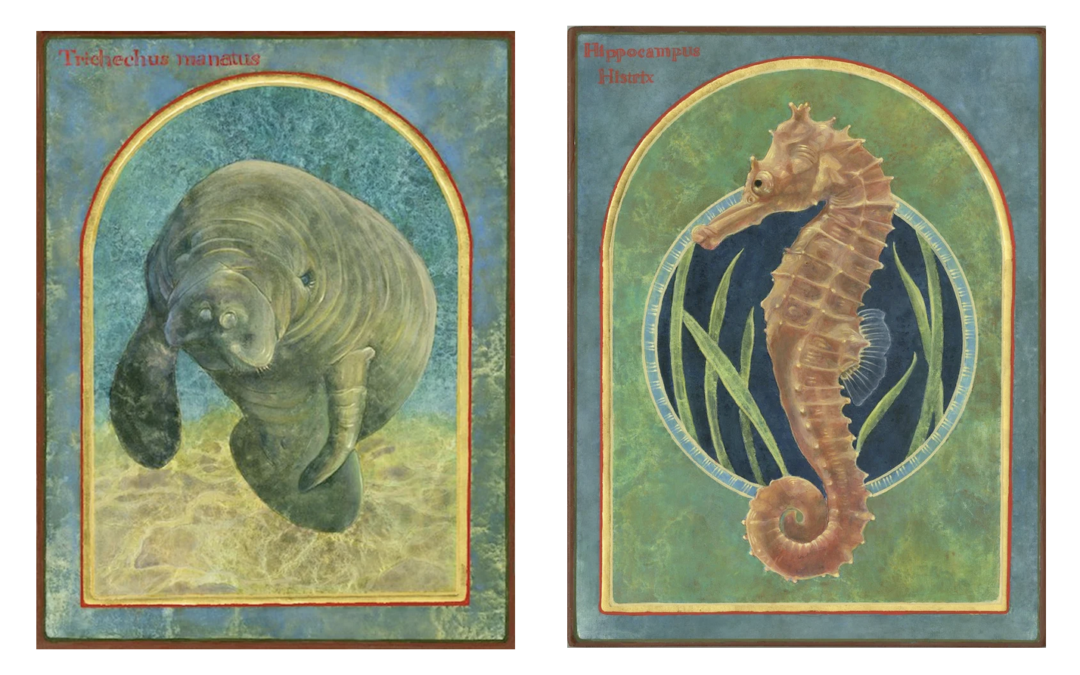
This is why I appreciate people who help to shift our awareness of nonhuman species from the peripherals to the center of our attention. Scientists and educators are capable of doing this, as well as storytellers and artists. Someone who does this exceptionally well is the award-winning artist and friend of the Yale Forum, Angela Manno. Her current series, Contemporary Icons of Threatened and Endangered Species, elevates nonhuman subjects “to their rightful and equal place in the community of being” through the traditional religious form of icons.
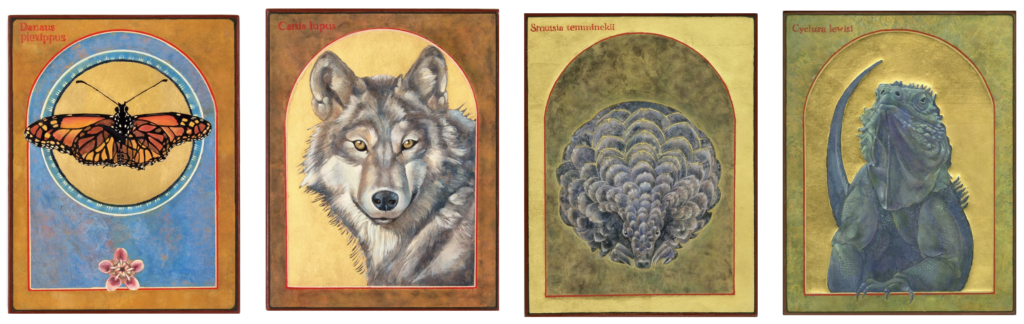
I learned of Manno’s artwork during springtime of 2023, when a selection of this series was displayed in the Yale Institute of Sacred Music as part of its Religion, Ecology, and Expressive Culture initiative. The paintings in her exhibition, Sacred Biodiversity: Icons of Threatened and Endangered Species, drew attention to our more-than-human kin whose existence on the planet is in jeopardy. Each icon captivated me, but one stood out among the rest: the horseshoe crab.
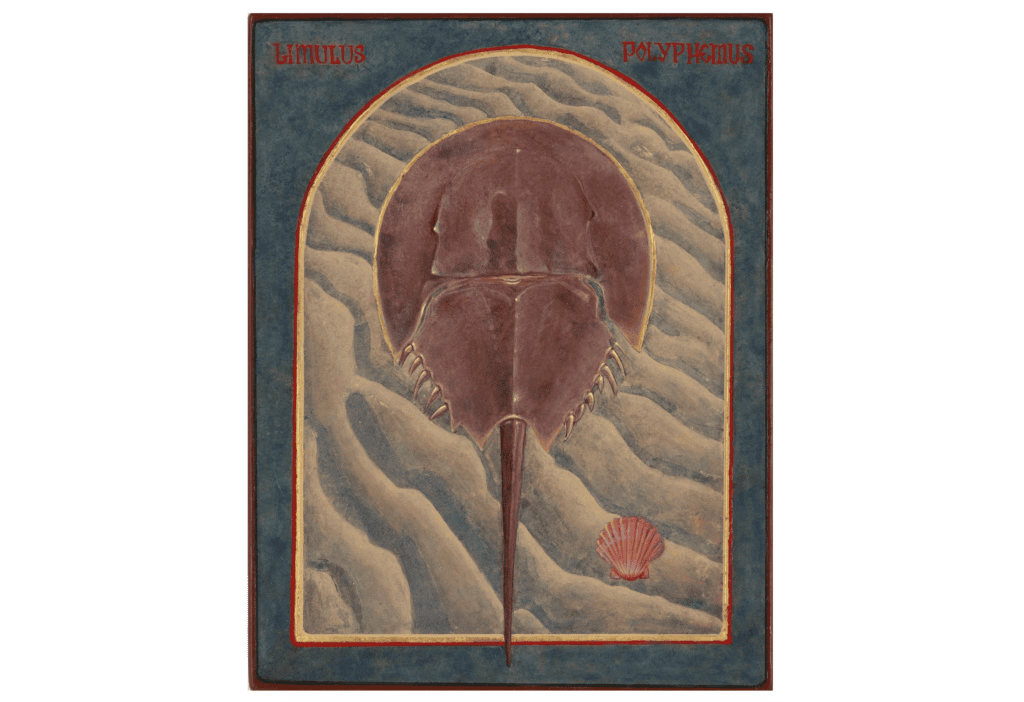
Depicted in the icon is an ancient member of the aquatic community that resides in the Long Island Sound. I had been living near the New Haven shoreline for a few years at the time, whereas this species has called the Sound home for millions of years. I was enraptured by the fact that the horseshoe crab and human are, in essence, neighbors. One lives within water, the other upon land, and both of our species depend upon the well-being of the same interdependent community of life. Yet only one of us is capable and culpable of causing severe population decline of the other.
Artwork like Angela’s icon series can evoke a biocentric awareness beyond the anthropocentric, or human-centered, views that are so prevelant in Western cultures. Cultivating an awareness of species beyond our own may help us to take steps towards mending the broken relationships that exist between our species and the rest of the the Earth community.
In two weeks, Angela Manno will join eco-theologians Sr. Elizabeth Johnson and George Demacopoulos for an online public discussion about her current icon series. The Yale Forum is pleased to share the below sneak peak video of her new exhibition at The Moray Art Centre in Findhorn, Scotland.