
The Mystery of Water
Author: Tyler Mark Nelson
Published: April 16, 2026
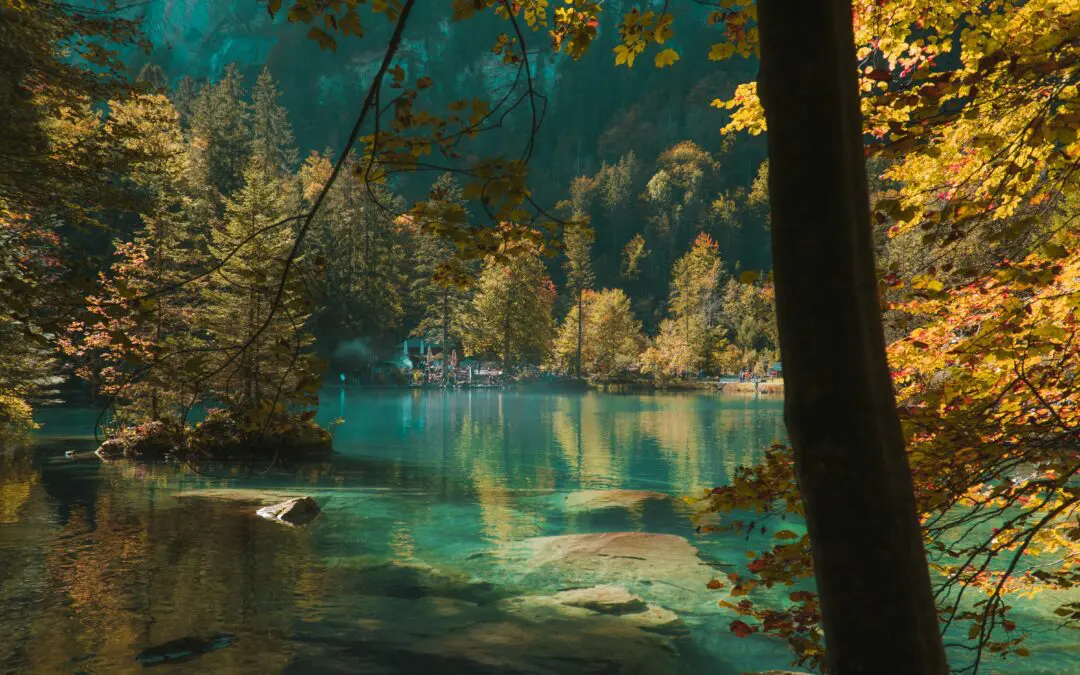
Water is mysterious. Many people across the globe claim that water is even sacred. But what does this mean in practice? How might we live into the reality of water’s unique nature, honor its necessity for life on Earth, and take responsibility for protecting it on behalf of the Earth community?
Big questions for a short blog post! To help us wade into these questions, I turn to a treasured colleague at the Yale Forum on Religion and Ecology, Elizabeth McAnally, PhD.
McAnally is intimately – and we might say, integrally – familiar with water. Her book, Loving Water Across Religions: Contributions to an Integral Water Ethic (Orbis Press, 2019), explores the relationships between world religions and water in a time of global water crises.
Lately I’ve been reflecting on this Spotlights conversation between her and another Forum colleague, Sam Mickey.
What most intrigues me about this already-fascinating discussion is the way that McAnally allows room for mystery. Here is a capable scholar who has researched and written about water through the lenses of science, economics, politics, religion, and ethics. Yet she acknowledges the limitations of these forms of knowledge to fully grasp the nature of water.
Take a moment to sit with these questions that she poses:
“What’s this sacred mystery of water? How does water have this intrinsic value so it’s valued in itself and not just because humans relate to it and life depends on it? Water has this interiority, this subjectivity, some degree of subjectivity.”
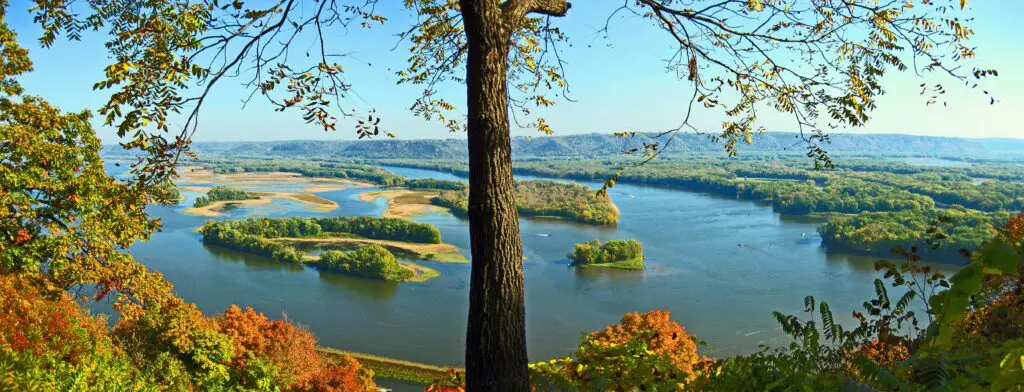
I’m reminded of the rivers, ponds, and lakes where I grew up in Minnesota. The mighty Mississippi. Lake Superior, the great inland sea which the Ojibwe named Gichi-gami and sailors revere. The pond behind the yard of my childhood home, where red-winged blackbirds sang trilled songs while perched atop cattails and branches.
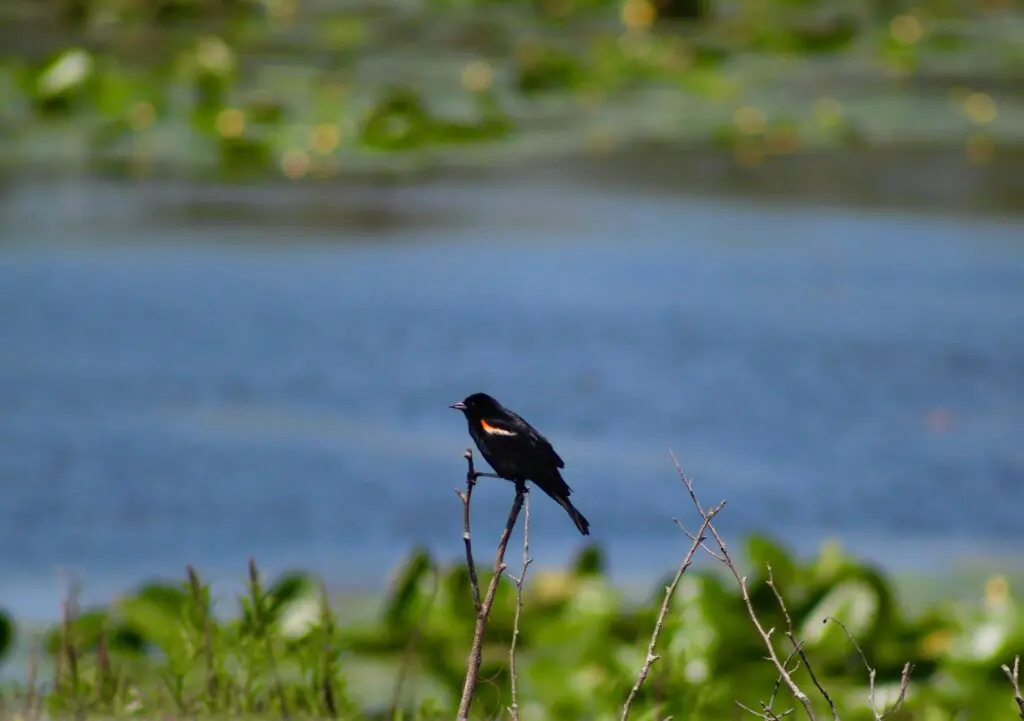
At some point in my life, I began talking with these bodies of water. “Good to see you, Miss. Greetings, Gichi-gami. How are you today?” Notice that I said talking with, not talking at. You see, I’ve long sensed that an ongoing conversation is taking place between these liquid bodies and myself (even when each of us is covered in a frozen sheet of winter ice). I don’t speak in the language of water, nor does water understand any human language, but forms of communication exist between us nonetheless.
It would take multiple blog posts for me to attempt any sort of description of what I mean. And even then I wouldn’t feel satisfied in explaining myself. That’s okay. As the thousands of resources on the Living Earth Community website demonstrate, there are myriad ways that we humans are responding to the intuitive understanding that the world around us is somehow engaged in relational communication. At a time when economic systems are privatizing and polluting bodies of water across the world, and profit motives are driving a global water crisis, each of us would do well to reflect on the intrinsic value of water and take meaningful action to protect it.
In the concluding words of Elizabeth McAnally’s book: “Loving water is a way to love all of creation, to love the whole universe.”