Fish: Books
Further resources, if available, can be found in our full bibliography.
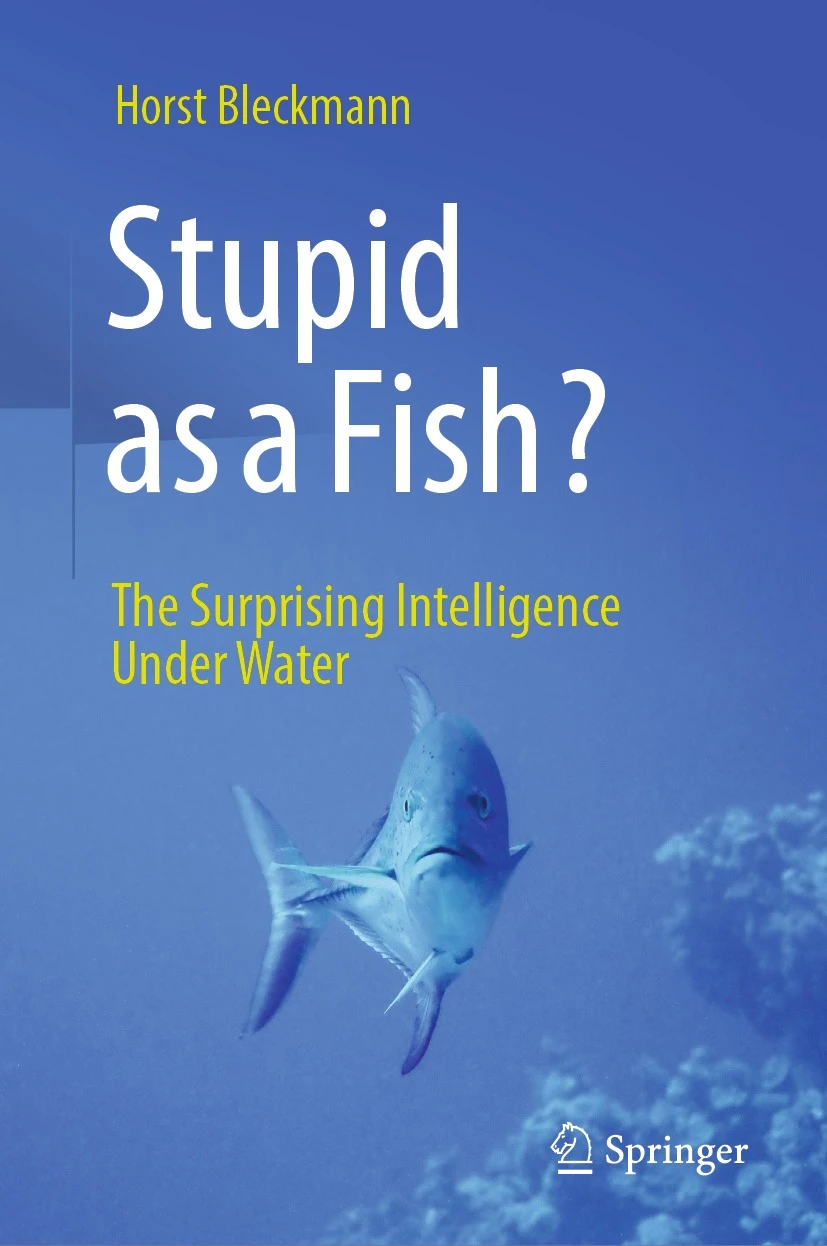
Compared to mammals, fish are often underestimated and dismissed as less complex organisms. To refute this hasty conclusion, Horst Bleckmann introduces readers to the highly developed cognitive abilities of fish. Many people might not know that fish are the largest group of all vertebrates, with about 30,000 species, and that they colonize all aquatic habitats. For this immense feat, they have evolved a variety of highly specialized sensory systems and behaviors. According to recent research, fish also possess not only extremely sophisticated sensory organs, but also highly developed central nervous systems that are similar in basic structure to the brains of mammals. Readers will be immersed in a fascinating world as they learn about the different sensory systems of fish. A concluding chapter additionally covers the global threat to fish from water pollution, cross-building in flowing waters, and the fishing industry.
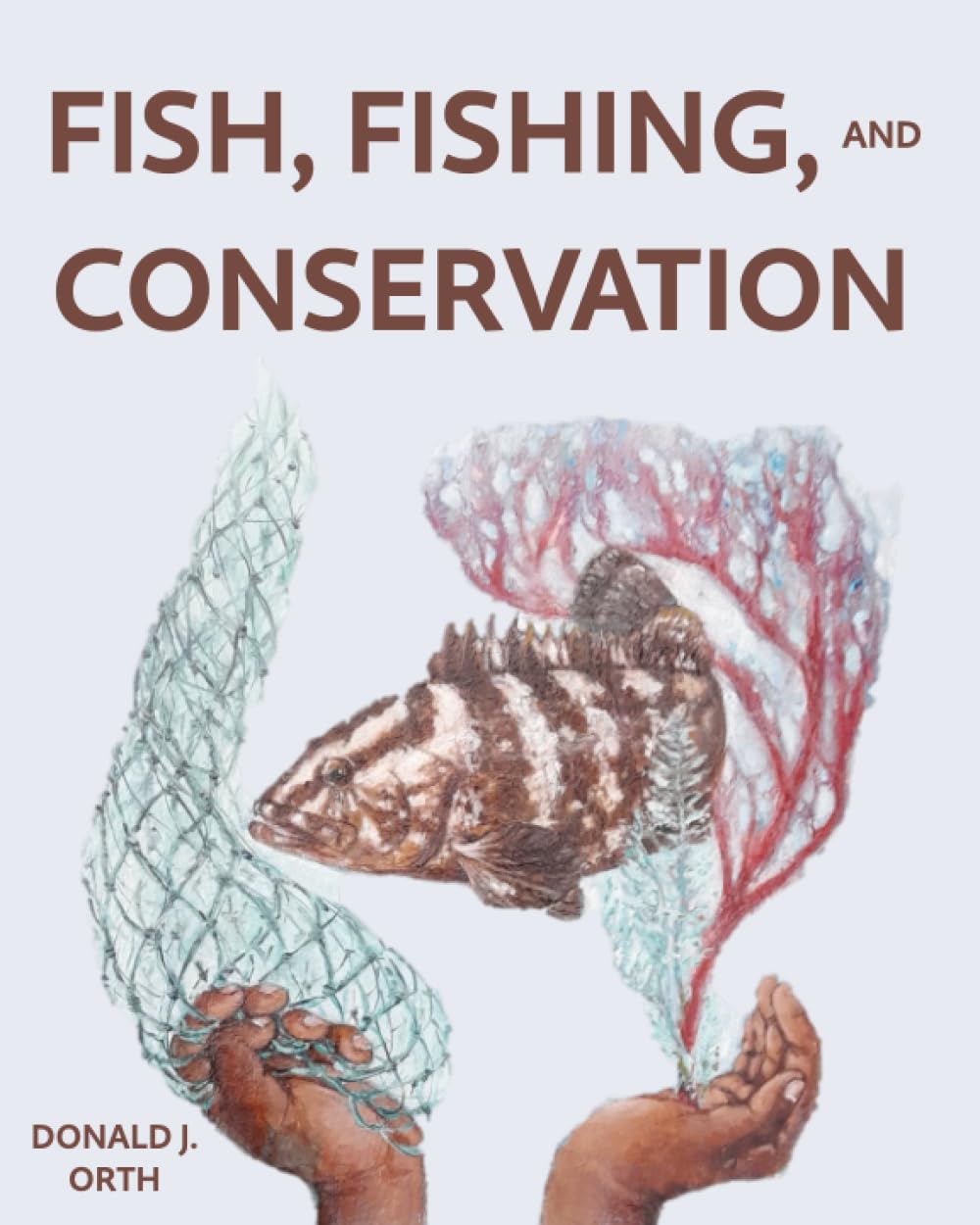
Fish, Fishing, and Conservation
Donald J. Orth
Virginia Tech Department of Fish and Wildlife Conservation
2023
People, places, and approaches to fishing are as varied as the diverse fish fauna that exist on the planet. As conservation planners recognize the value of substantial engagement of stakeholders in decision making and ineffectiveness of rigid top-down management approaches, Fish, Fishing, and Conservation asserts that all peoples must play a role in conservation. Through case studies, engaging narrative and graphics, and exercises, the 389-page, undergraduate-level text explores major motivations for fishing and non-fishing related values, responsible fisheries practices, the rights of all people to decide how to manage and conserve fish, their habitats, and how they are utilized. For many fishes, overfishing remains a pressing global problem for which appropriate solutions are not easily found nor implemented.
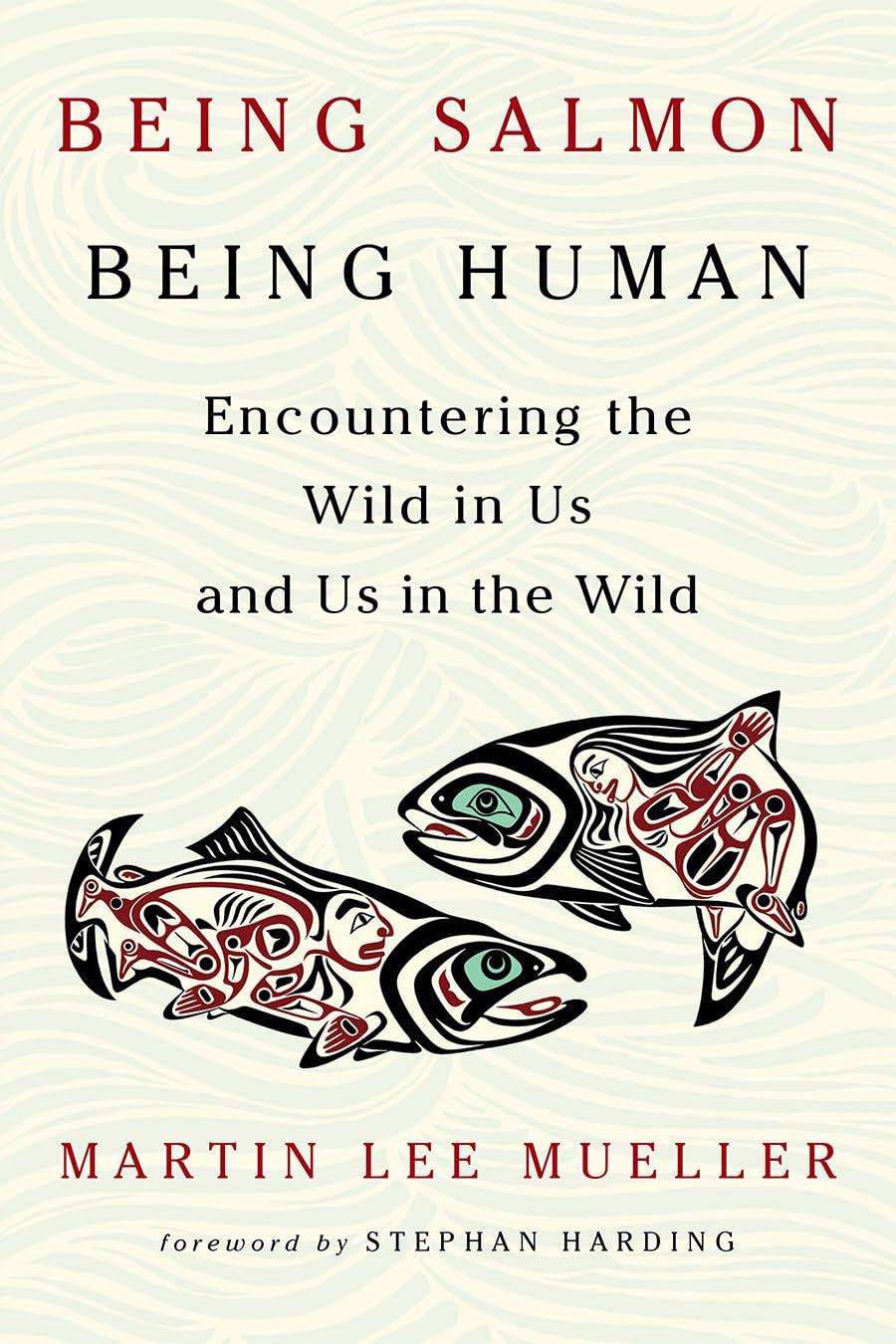
Being Salmon, Being Human: Encountering the Wild in Us and Us in the Wild
Martin Lee Mueller
Chelsea Green Publishing
2017
Being Salmon, Being Human examines Western culture’s tragic alienation from nature by focusing on the relationship between people and salmon–weaving together key narratives about the Norwegian salmon industry as well as wild salmon in Indigenous cultures of the Pacific Northwest. Mueller uses this lens to articulate a comprehensive critique of human exceptionalism, directly challenging the four-hundred-year-old notion that other animals are nothing but complicated machines without rich inner lives and that Earth is a passive backdrop to human experience. Being fully human, he argues, means experiencing the intersection of one’s horizon of understanding with that of other animals. Salmon are the test case for this. Mueller experiments, in evocative narrative passages, with imagining the world as a salmon might see it, and considering how this enriches one’s understanding of humanity in the process.
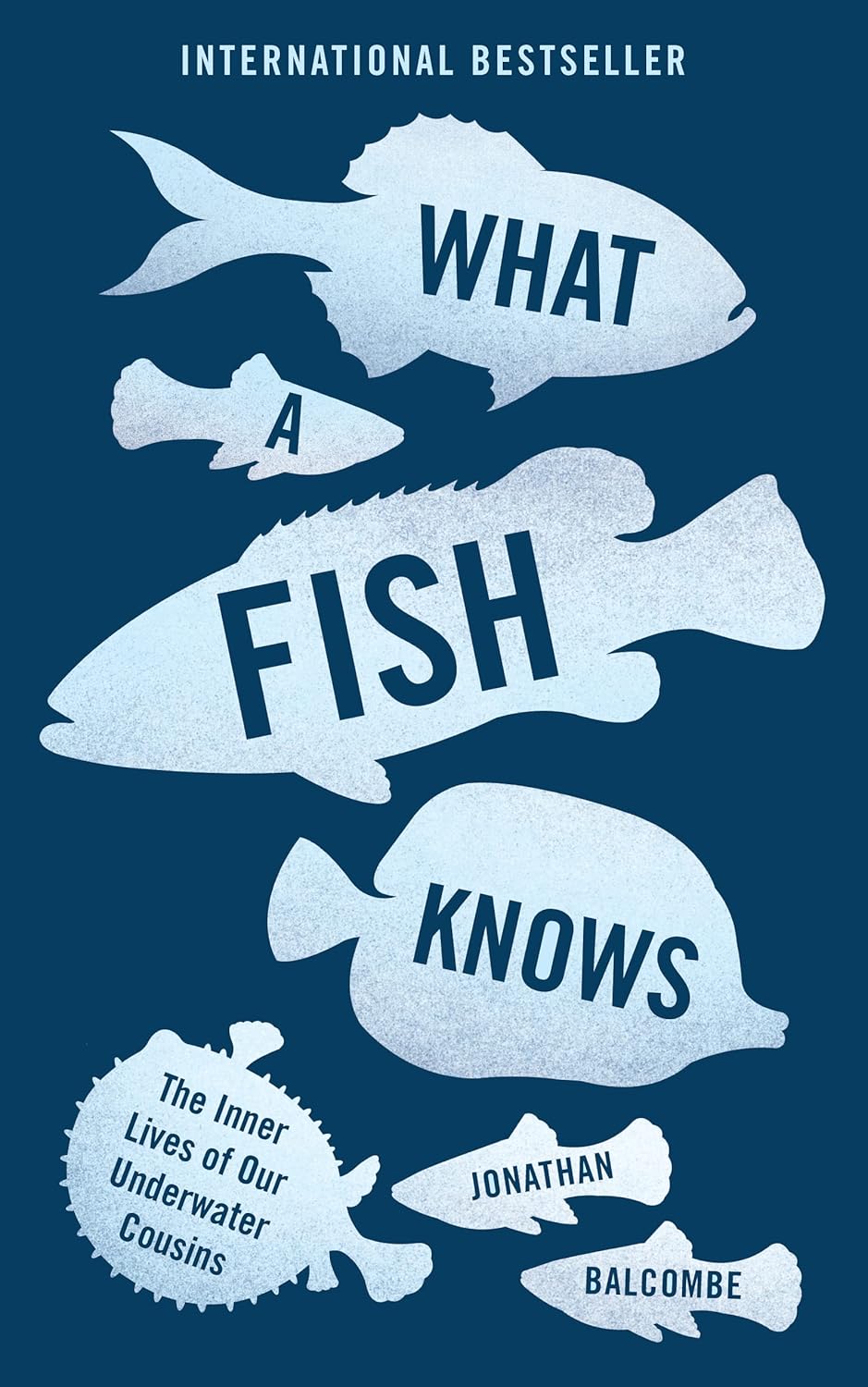
What a Fish Knows: The Inner Lives of Our Underwater Cousins
Jonathan P. Balcombe
Scientific American/Farrar, Straus, and Giroux
2016
What a Fish Knows draws on the latest science to present a fresh look at these remarkable creatures in all their breathtaking diversity and beauty. Highlighting breakthrough discoveries from fish enthusiasts and scientists around the world and pondering his own encounters with fishes, Balcombe examines the fascinating means by which fishes gain knowledge of the places they inhabit, from shallow tide pools to the deepest reaches of the ocean. Teeming with insights and exciting discoveries, What a Fish Knows offers a thoughtful appraisal of human relationships with fishes and inspires readers to take a more enlightened view of the planet’s increasingly imperiled marine life.

Fish Cognition and Behavior
Culum Brown, Kevin Laland, Jens Krause
Wiley-Blackwell [2008]
2011 (2nd edition)
In the second edition of this fascinating book an international team of experts have been brought together to explore all major areas of fish learning, including foraging skills; predator recognition; social organisation and learning; and welfare and pain. Three new chapters covering fish personality, lateralisation, and fish cognition and fish welfare, have been added to this fully revised and expanded second edition. Fish Cognition and Behavior contains essential information for all fish biologists and animal behaviorists and contains much new information of commercial importance for fisheries managers and aquaculture personnel. Libraries in all universities and research establishments where biological sciences, fisheries and aquaculture are studied and taught will find it an important addition to their shelves.

The Mind of the Trout: A Cognitive Ecology for Biologists and Anglers
Thomas C. Grubb, Jr.
University of Wisconsin Press
2003
For cognitive ecologists, fish biologists, animal behaviorists, and inquiring anglers. How and why do trout think? How do they decide where to eat and which food to eat? Why do they refuse to behave as predicted, stumping anglers by rejecting a larger fly for a smaller one or not responding at all to anything in an angler’s box? How do trout know to bolt to one particular covered area after being hooked or flushed? Why can trout smell better than humans but not remember as well? Citing the most recent scientific findings in a readily understandable form, Thomas C. Grubb, Jr. addresses these questions and more in The Mind of the Trout. It is the first book to bring together many varied concepts of cognitive ecology as applied to trout and their salmonid relatives: char, salmon, grayling, and whitefish.
Photo Credit: Sunset or banana wrasse at the Cairns Aquarium, Cainrs City, Australia; David Clode/Unsplash